Mud by Remi Wolf (2026)
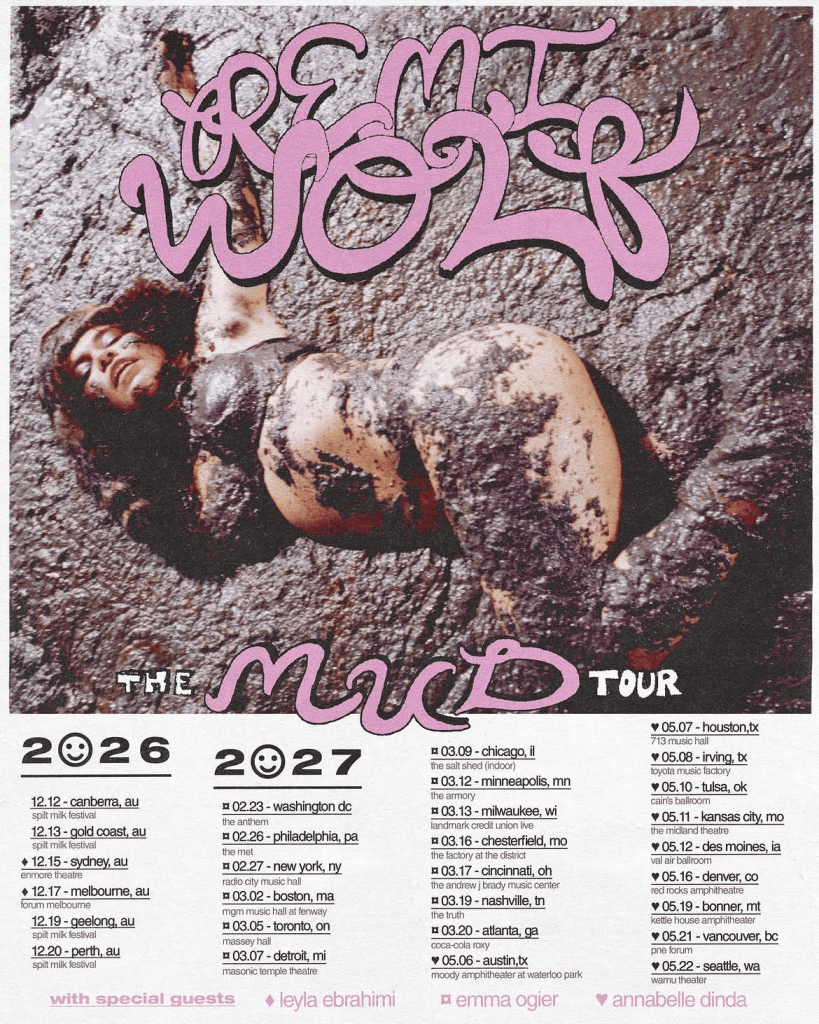
When you see Remi live, you can really feel her belting. I’ve been lucky enough to see her twice now. At her Big Ideas tour in 2024, and at her Mud performance in Webster Hall, NYC, earlier this month. Her vocals are raw, strong, & over the top. Her lyricism is clever, funny, depressing, & brilliant. Mud is more down to earth, loungey, and folksy than her usual sound. I like that she’s not afraid to be contradictory, weird, and vulnerable. She writes about her struggles with sobriety and the humiliation and heartbreak she’s experienced. Some of the lyrics are nonsensical, which is also something I like about Remi. Not afraid to add some fuckshit outta context for the rhyme – “psychic column in a magazine!” But she also repeats motifs, comparing herself to a dog, loyal and waiting, and imbibing alcohol in every conceivable form.
There’s a catharsis to how pathetic she can be & I say that lovingly. A singer-song writer like Remi blows the fucking top off of another famous billionaire confessional artist in her next victimhood era, and who continues to regress into teenage identity, if you catch my drift. It’s refreshing to see womanhood is this light, as being human, sitting in the dirt of the mess you made. This album came at a good time for me, as I’ve been feeling my own version of being covered in mud. All of the songs on the album are certified bangers; she’s maturing as an artist and this is her most serious project, and she’s not afraid to mix up genres. I enjoy how the pop girlies are reclaiming country. I’d rather Sabrina Carpenter, Chappell Roan, Remi Wolf, and Hayley Williams over Morgan Wallen any day, is what I’m saying. I love her work and I’m thrilled to see what else she does as she gains more mainstream popularity. “I Won’t Cry” is fucking transcendent.
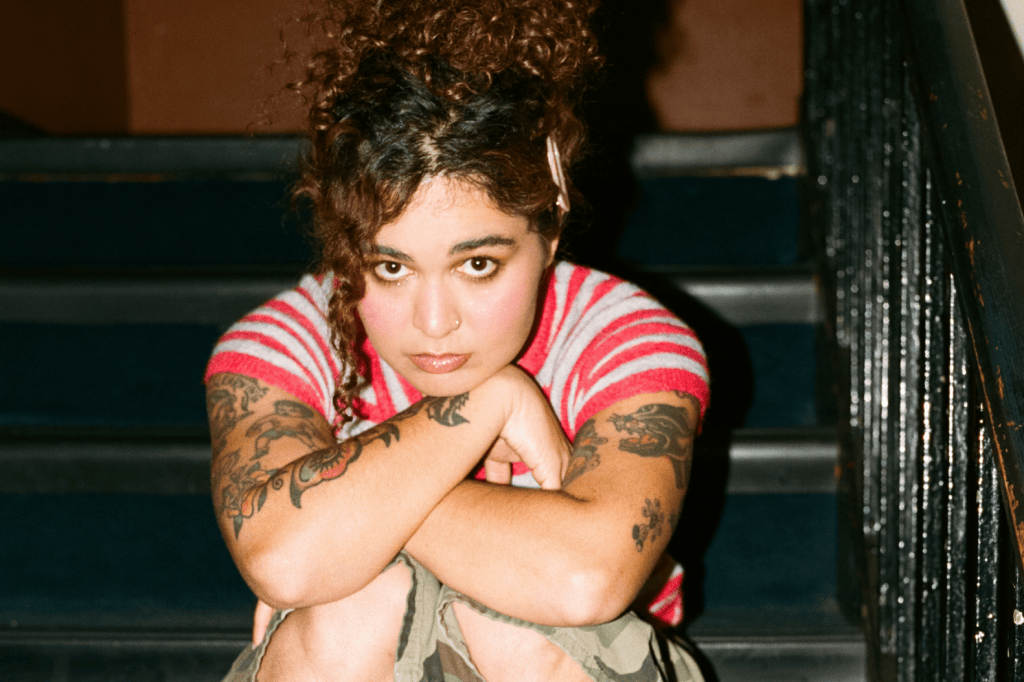
U by underscores (2026)
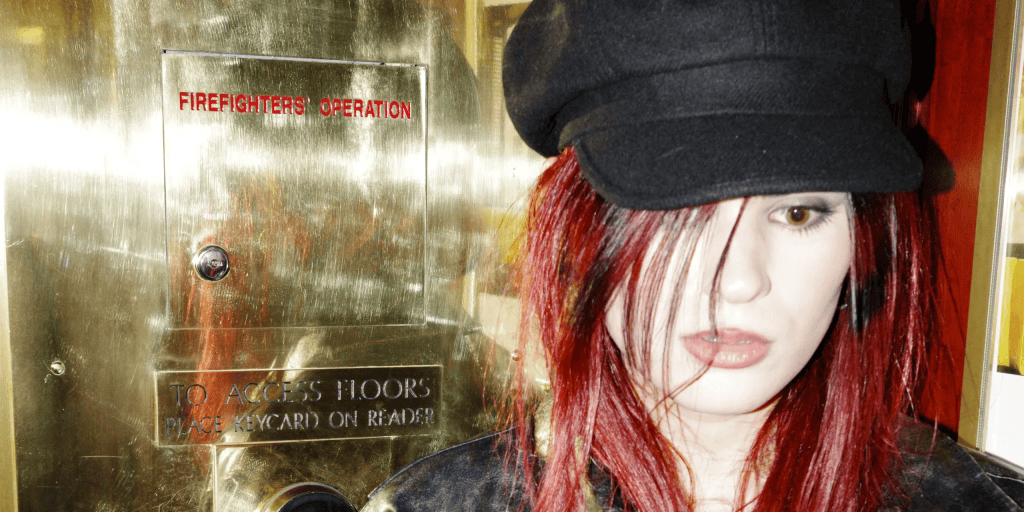
Listened to this album every single day for a month. I wake up with at least one song in my head and will continue to scratch this itch only when my next hyper-fixation appears, I fear. I had known of underscores before seeing her open up for Charli XCX, but seeing her play live was something special. There’s something so unreal about having your eardrums partially blown out by reverb when you’re a few Bud Lights deep in Barclay’s. I don’t think I really “got it” until being there. I dove into listening to her new album, U. I also listened to Wall Socket but that one is much more “challenging to the listener,” her words, not mine.
I also love her look; the streetwear inspired baggy clothes and headphones bleached into her hair are a slay. I enjoy the y2k fashion throwbacks!! I also enjoy how her music video for this album is in an empty mall, but I’ll go more into liminal space later on in this post. I love how she juxtaposes vulnerability and anti-social avoidance on these maximalist hyperpop dance tracks. She yearns for connection but keeps coming back to music as her focus and true love; her lyrics bring a tinge of sadness to a sound that is so surreal, distorted, & digital. I can’t help but feel this is the perfect genre for exploring the loneliness we can feel despite living in this internet age.
I can’t relate at all to the woes of the music industry, and how I imagine the long hours, fame, and constant traveling would make sex easy but getting to know someone on a deeper level much more difficult, but there’s enough overlap here that she’s touching on, like feeling happy for someone you used to love as they move on, stringing together instances of regret and replaying them in your mind, and feeling like there’s a version of yourself for the world and one you only keep to yourself. Listen to it from start to finish, backwards and forwards.
Lanterns (2026)
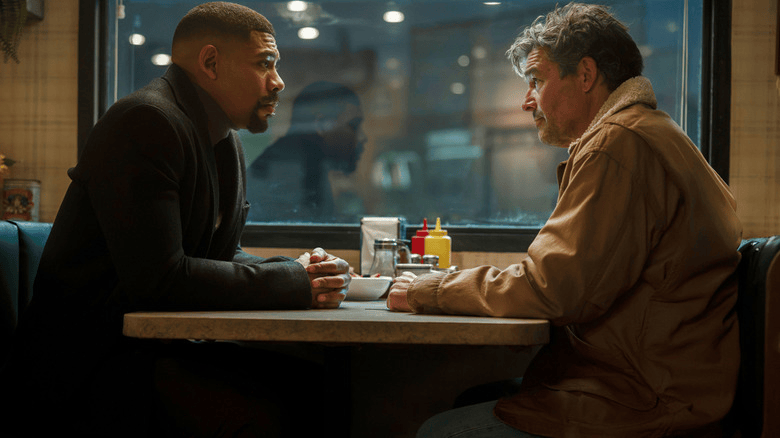
Lanterns surprised me. I have some super hero burnout that only the DCU can satisfy, apparently, because I also like Peacemaker and Superman. It’s more than DC making art for adults; I think it takes itself seriously & gives us something more to chew on rather than deflating dramatic moments or being grim dark for the sake of it. If you’re looking for more MCU-esc entertainment, this is not where you’ll find it. There’s some feedback on the show being “boring.” Of course everyone is entitled to their opinion but I am also entitled to tell them that they’re wrong. I guess I should say that this is not a Green Lantern story where they suit up, fly around, and fight aliens. It’s a grounded story about John and Hal, their relationship, their mistakes, the legacy of the ring, the meaning of the Guardians, familial trauma, finding yourself, immigration, forgiveness, destiny, the military industrial complex, white privilege, alienation, otherness, culpability, reparations, heroism, racism, and so much more. Seeing that the budget that they’re working with is more minimal and the scale is smaller, the show packs such an emotional punch and sets up so much character work for those eventual movie tie-ins people want. I am also “people” if James Gunn is on the project. Kyle Chandler and Aaron Pierre have such a great dynamic, and loved seeing them both on screen.
Moreover, I like how DC is not afraid to represent their characters as flawed or broken. There’s so much to work with in the world of comics and Lanterns is refreshing, especially John Stewart’s character, which Nadira Goffe discusses in this article for Slate: Lanterns and the Trap of “Black Excellence”. I am getting sick of seeing the same milquetoast plots about Spider-Man using surveillance capitalism without pushback. At the very heart of super heroes is this idea of exceptionalism, which can be taken to dark pathways, such as fascism, because the entire idea of exceptionality is predicated on hierarchy. To divulge the corruption of the process of this exceptionalism and to pick it apart, specifically how we relate differently to fear based on who we are, is actually fucking interesting.
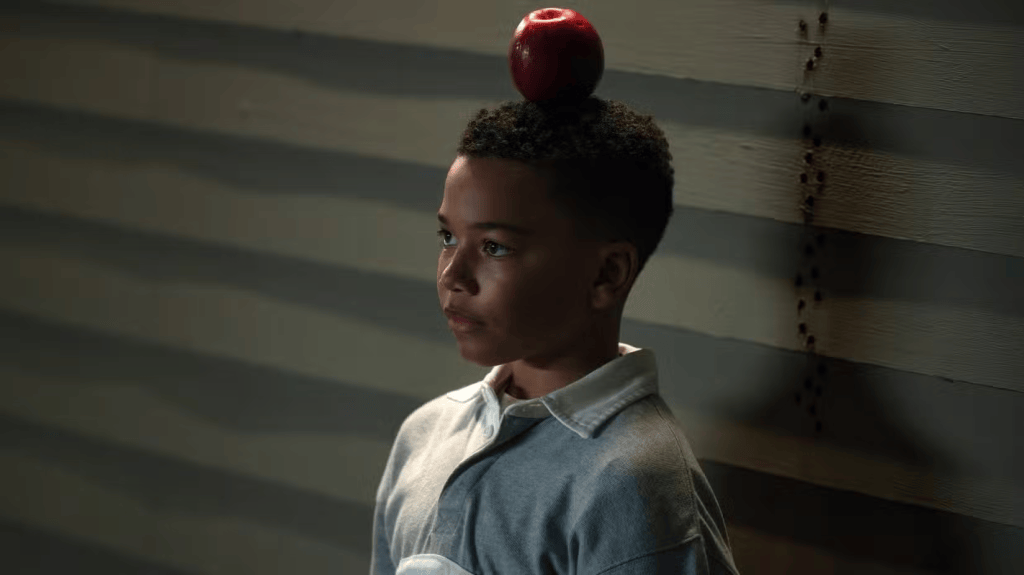
East of Eden (2026)
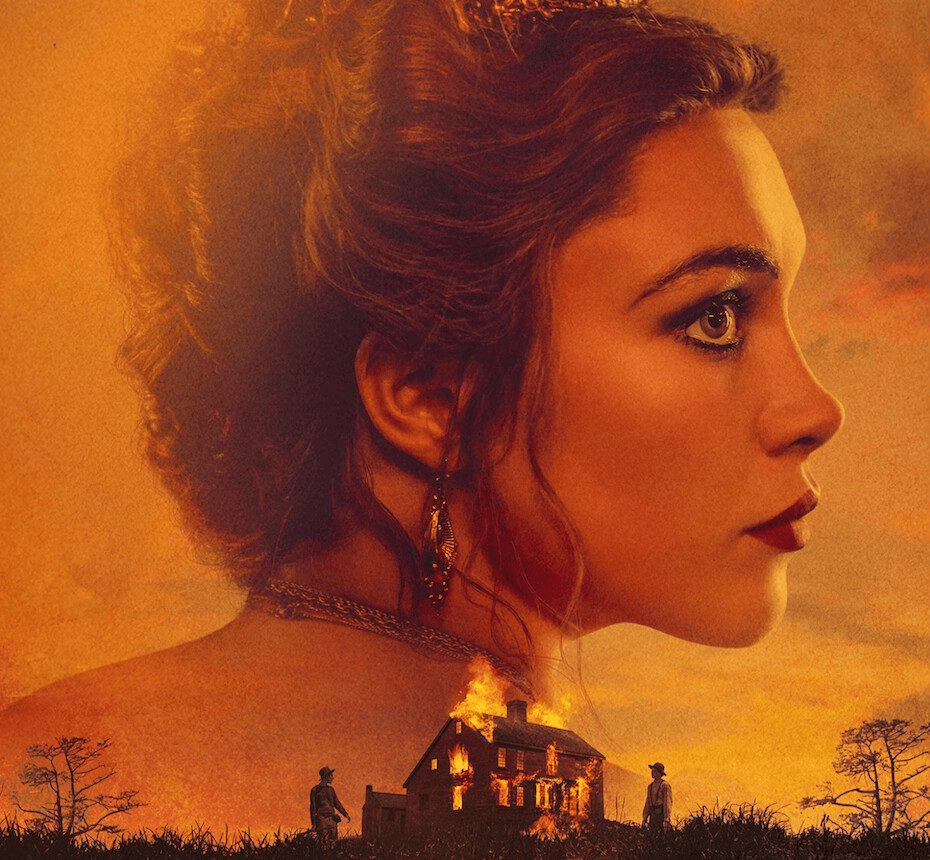
East of Eden. I didn’t think this would have a profound impact on me that it did. I just love a good Netflix miniseries. Not all of them are created equal but I always take the chance. Like, I just watched Below and enjoyed it but not enough for its own entry. I think that I needed this show to punch me in the gut and it delivered. It’s a powerful story about cycles of trauma, heritage, and personal responsibility. We cannot control where we grow up and who our parents are, but our choices are our own.
Hoon Lee was a standout performance here, whose emotional intelligence is the heart of the story, and whose experience with being a Chinese-American, code-switching and feeling like an outsider in both Chinese and white society is integral to understanding this period in American history. Joseph Zada impressed me by delivering a complex performance as Cal Trask. Christopher Abbott is excellent and Mike Faist EATS every scene he’s in. Florence Pugh does a masterful performance and looks gorgeous in every shot. She loses herself completely into Cathy; there’s one scene that had me gobsmacked at her depth of range as an actor. It modernizes Steinbeck’s original story, giving Cathy a childhood trauma that shapes her choices and informs her worldview, which I think is necessary for the story’s impact. I think I’ll be keeping “thou mayest” in my heart for many years to come.
Primetime (2026)
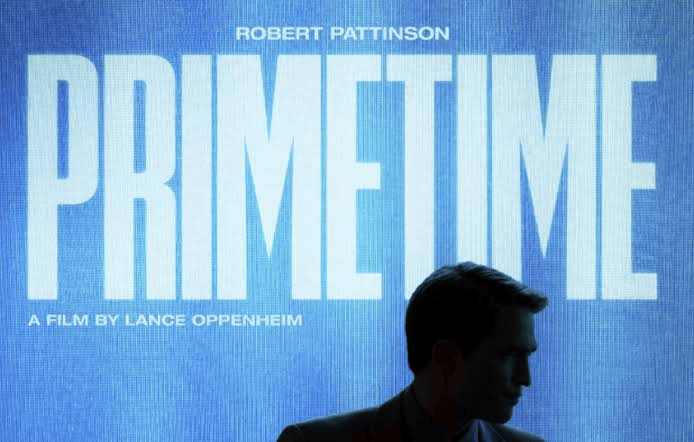
Ugh, one of my most anticipated of the year. Robert Pattinson is diabolical. Shot like a horror film & all about the evils of television journalism & the exploitation of To Catch a Predator. Hansen is a fucking villain. Merritt Wever giving the cuntiest, gum popping performance of all time. Skylar Gisondo was so good as Decoy Dan. I didn’t even recognize Phoebe Bridgers at first but of course she killed it.
Now, this shit is dramatized, but part of the appeal is all the drama & heightened emotions of Hansen’s illusions of grandeur in thinking he is helping people when he is not. He clings to that mission with the utmost zeal as it tears himself apart and untethers himself from reality. I heard someone on Reels compare this movie to Dracula and how the pointed letters in the title card look like fangs. Pattinson descends the stair upon his prey like Bella Lugosi. Perfectly unnerving.
Predators is a documentary that also calls into question Hansen’s motives, as he uses the medium of television journalism to supposedly “save” victims of child sexual assault. Because of NBC’s methods, we know the charges did not always stick after these men were arrested, and the sensationalization of the witch hunt did not help the men or save any real victims from them. The doc is also good context for Primetime so you can see which scenes were fictional, but the questions raised are the same; who was this TV show for and why? Who did it really help?
Anyways, the London Bridge needle drop was everything to me. Watch it.
You Can See Everything (2026)
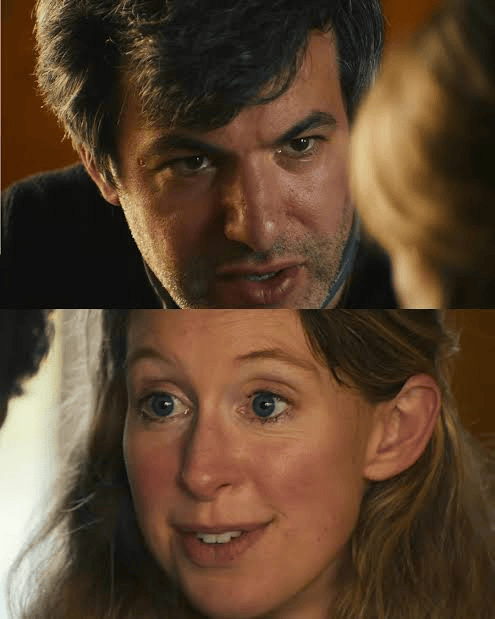
OBSESSED is an understatement. Three hours long, but a sprint. Lance Oppenheim directing alongside Nathan Fielder. It is possible Elizabeth Holmes believes in her lies but it’s also possible that she is a master manipulator. Her husband Billy is the standout villain. A controlling, arrogant, narcissistic monster of a man. A white supremacist, techno fascist prick. He is such a vile human being – it makes you wonder if she is a victim in his web of lies and control, and if she had the same problem with Sunny, her ex who was running Theranos alongside her. I find that explanation a bit too convenient for who we are dealing with, to be honest! She’s just too trad wife in a way that feels manicured to rehab her image. By the time we realize who Billy is, it’s like, oh yeah, of course he wanted her barefoot & pregnant on the beach. It’s all part of the plan to change her optics and scam again with Theranos 2.0.
Nathan Fielder is a compelling force because he’s an enigmatic personality. He’s a fake lunatic coming face-to-face with the real thing. You think you may be getting the real Nathan but the truth is you never really know. It’s not possible for us to ascertain who the real Nathan is, just as you don’t know who the real Elizabeth is. You still get his deadpan ironical humor strewn within but cut up by some of the most genuinely crazy interview moments I’ve seen in a documentary, and I watch lots of them.
A dark, unnerving, unpredictable thriller that focuses on prolonged eye contact, long pauses, and every individual pore. Oppenheim calls the human face “the ultimate landscape of study” and it shows. The longer and closer we stare, but we still cannot know the truth. A freeing nihilism that changes our perceptions of documentary filmmaking and how that genre twists reality to tell a story. We have no hope in uncovering her real motivations and often second guess ourselves in that pursuit. I walked out feeling more confused and disturbed by the Theranos project and Elizabeth Holmes because I think Liz and Billy were trying to control a new narrative for her rehabilitation. Instead, we got the most provocative piece of documentary filmmaking I’ve ever seen and at least Billy’s motivations as a grifter seem pretty crystal clear. I won’t give anything else away, but I loved how Nathan and Lance play with reality and our perceptions in the segments by making the re-enactments diegetic.
Oppenheim called Fielder “an accidental investigator in everyday moments,” which is apt because the film challenges us to accept the unknowable while inviting us to observe mundane idiosyncrasies. There’s a thin line that separates horror and comedy when dealing with absurdism that Nathan and Lance masterfully tightrope on. This documentary is a one-of-a-kind masterpiece, blending real and illusion, showing the complexity of public personas, media manipulations, and delusions of selfhood.
Backrooms (2026)
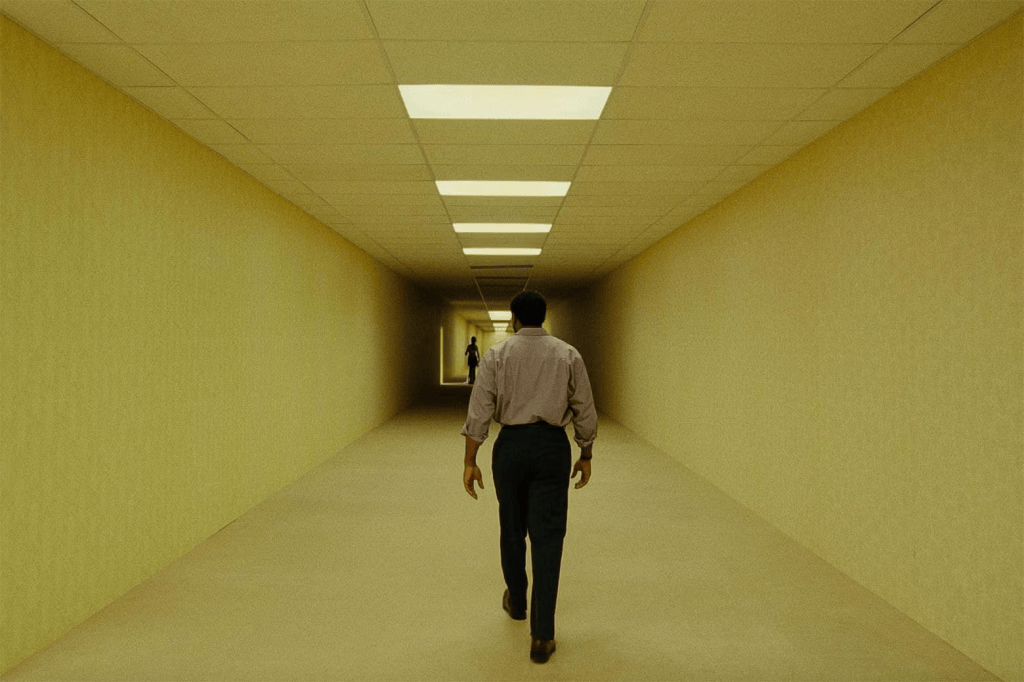
I know this one is divisive, but damn, I fucking loved it. I love liminal spaces, their horror and nostalgia. These dreamlike places are unknown to us but feel so familiar, devoid of human life, where you’re all alone, exploring what had been left behind. A human structure created by something unknown to us. Liminal spaces have been rising in popularity in the last few years, due to the pandemic, the death of third spaces, and end stage capitalism. We long for the familiar places we’d see other faces. Now we’re all on the internet. That’s how some of us connect. So as an internet dweller, I love folk horror, creepypasta, liminality, dreamcore & weirdcore.
This might be the closest we’ll ever get to a House of Leaves adaptation. I thought the atmosphere was maddening and uncomfortable, exactly how a backrooms movie should be, and much like the director’s YouTube projects. I like how Kane Parsons got his start by making YouTube videos on the backrooms. I liked how the movie drew a parallel between the idea of the backrooms and being caught in our mental cycles, centering the therapy and trauma angle, and a man who won’t take accountability for his life falling apart, his drinking, and his wife leaving him. It can hurt us when we spin the same wheels over and over, trying to reconstruct what once was, the places we’ve been, the people we were, and ultimately sitting in those memories without changing ourselves. I love the uncanny valley of liminal horror and the monsters within the backrooms. It is powerful that the antagonist is himself. I do think putting a monster like this within the liminal space makes it horrifying in a more conventional Hollywood kind of way. That being said, the movie really understands what makes liminality so compelling and it is weird enough for me. I think that’s why it might not work for some people – it really pushes you to experience it. Kind of like trying to make sense of Twin Peaks. I don’t need to know exactly how the world works because that’s part of the vibe. Not knowing the rules keeps you on edge.
There’s a scene where a childhood home is destroyed and reconstructed in various states of decay – this scene encapsulates the entire genre for me and why I love it so much – there’s a deep horror in how we affect the inanimate objects around us, how we fabricate memories, and how something so ordinary and peaceful can become distorted into something we fear. It is just not quite right. The tight spaces, the impossible architecture, the indoor pools, and the wild physics are all adding to this environment of supernatural uncertainty. Super Eyepatch Wolf has a great video on it this called Horror in Impossible Places: Liminal Spaces and The Backrooms that talks more about this.
I loved the furniture clipping into the floor like a video game, blurring the lines within the real & the digital as the genre always has. I loved how it took place in a furniture store because the real backrooms photo was taken in a furniture store in Wisconsin. In the backrooms lore, there’s this movie’s universe and there’s the wiki universe. If you like this movie, you might like going down the rabbit hole on the different levels on the Wiki or watching Sagan Hawke’s video on the first hundred levels – there so many different spaces, themed around so much more than office space. There’s forests, hotels, prisons, deserts, arcades, 90s roller rinks, sewers, and literally anything else you can think of.

Empire of AI by Karen Hao (2025)
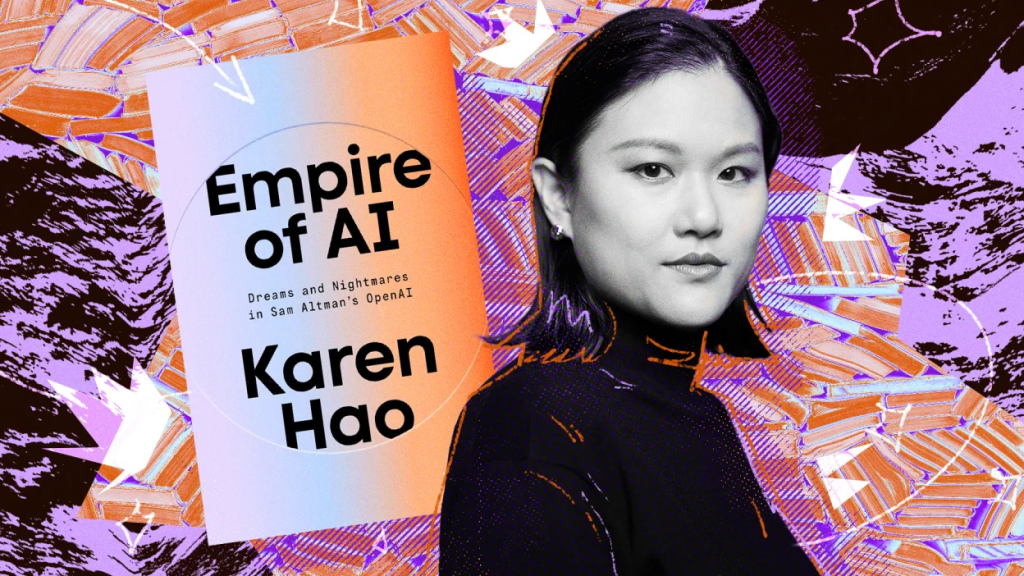
Reading about the horrors of AI – it’s like Disney War for the tech industry. I love when journalists deep dive into exposés about rich people flying too close to the sun, and it’s worth the price of admission for anyone who wants the historical background and language to critique the push towards generative AI. From the innerworkings of the internal drama to the outside implications of this technology, Hao is concise, sharp, and informational. She digs into how companies like Open AI, Meta, Google, Apple, and other tech giants, who pride themselves on transparency, are backhanded and distance themselves from responsibility.
She talks about the exploitation of these companies, specifically how Scale AI outsources remote work to other countries like Venezuela and pays its workers unlivable wages (11 cents an hour), taking advantage of political strife and poverty for the cheapest labor, and creating a competitive environment where workers have no recourse for their material conditions. When workers complained about the platforms and asked too many questions, their accounts would be deleted and source of income taken away without another thought. She blows the lid off the evils of global capitalism and challenges the dehumanization of our labor force, as well as highlighting the inequities baked into the foundation of AI, such as AI language models being racist, sexist, and emotionally manipulative to vulnerable populations. Real people are moderating the most disgusting filth on the internet to Open AI such as sexual violence, and how the disturbing nature of the content had negative impacts on the mental health of the moderators. There’s so much more to the horrors of this industry than I anticipated or knew before reading; my knowledge was mainly the catastrophic environmental impacts of data centers, AI’s general inaccuracy, ChatGPT’s ugly ass images that are in no way viable artwork, and concerns about human learning, exploitation, removal from the workplace, and the future of education.
She talks Sam Altman, Elon Musk, Peter Thiel, Mark Zuckerberg, Larry Page, and many more names of apocalypse horsemen, their quirks, their pettiness, and their hubris. This stubborn hubris is the core of the novel – these men have so much power, money, and control over not only our economy, but the entire global stage. Their technology is controlling how we think, feel, interact, connect, shop, and learn, and they continue to skirt safety regulations and justify any missteps as part of their grander plan. My question is, how do we avoid being a part of it? How do we legislate and regulate when our politicians are being lobbied and bought? How do we make changes when all these billionaire Silicon Valley guys bowed down and kissed Trump’s ring during his second presidency?
Season: A Letter to the Future (2023)
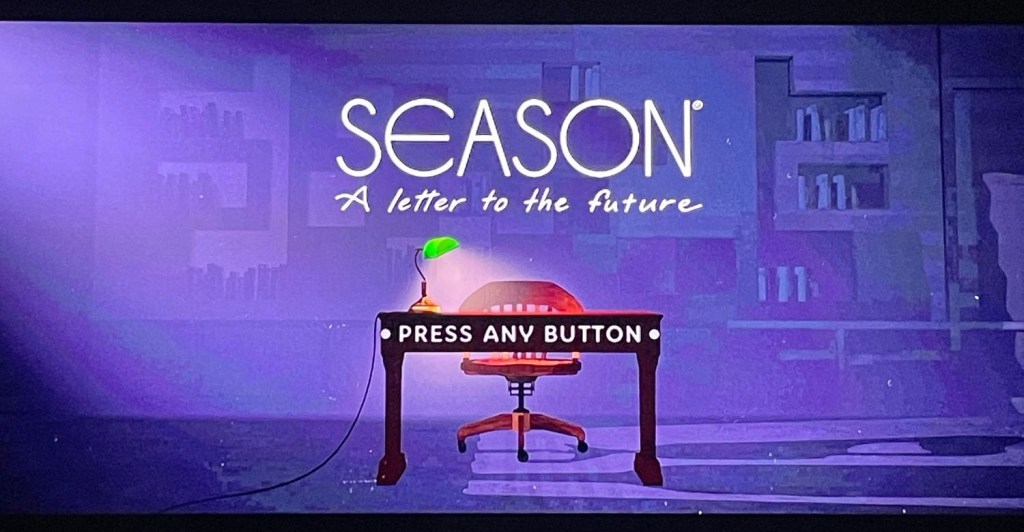
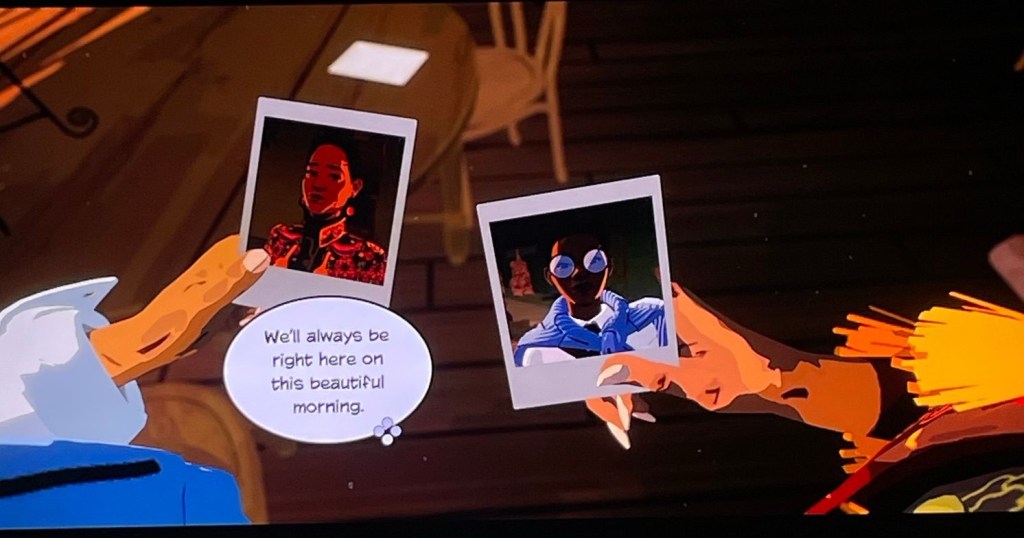
A beautiful little game about memory, loss, and change. We play as a woman on the precipice of new season, which in this world, is a time of great transition, where all the people in the world will forget who they were before and lose all tethers to the previous seasons of their lives. It’s a mandatory reset. The only way to hold the history of her people, her home, her family, her friends, and other communities, is for her to archive photos, stamps, letters, sounds, and stories in her journal in the hopes that she will make her way to a museum to catalog what happened permanently. It’s a cozy journaling game!
The remnants of old seasons are everywhere we go, but we can only piece together the context based on the tales of the elders. The landscapes, music, and dialogue are gorgeous. I loved the magic of the world; there’s flowers that hold the memories of those who have passed on, people can free themselves by forgetting their traumas during the war season, and there’s a lull of forever sleep that engulfs soldiers in times of peace. There’s seasons of burying and seasons of unearthing, as this cycle goes on for all of time, people choose to forget their pain by burying it or dig up memories of the past to learn for the future. They pray to gods of memory and forgetting, and a god that represents the void, where we return before and after our memories begin and end.
Life is precious and fleeting. It’s heartbreaking and existential, but I loved riding the bike looking at the sunsets, capturing the animals in their habitats, and learning about the valley in the meantime. At the end, I still felt like I didn’t take enough photos to do the present moment justice; it’s a harrowing reminder that although in the age of the internet, it seems like everything is forever, all will eventually wash away to the sands of time. Moments we experience will be our own, and whether its through age, death, or magic, when we are gone, those moments we shared will disappear forever, back into the silences between words, back to the thoughts that die in our minds, back to that inescapable void.
Well, I hope you enjoyed my newsletter for this month’s art that I’ve been loving lately! Stay tuned for November! The world is crazy but there’s still so much beauty to appreciate! Don’t forget that!!
HV


Leave a Reply